

Closed blinds and heavy drapes can isolate the glass from room heat. The trapped air cools, its capacity to hold moisture falls, and condensation or frost can form even when the room itself feels comfortable.
Alongside the specific checks in Why Window Coverings Create Cold Pockets and Frost, review ice on the inside of windows and compare that guidance with measured conditions in this home.
Why the frost pattern matters
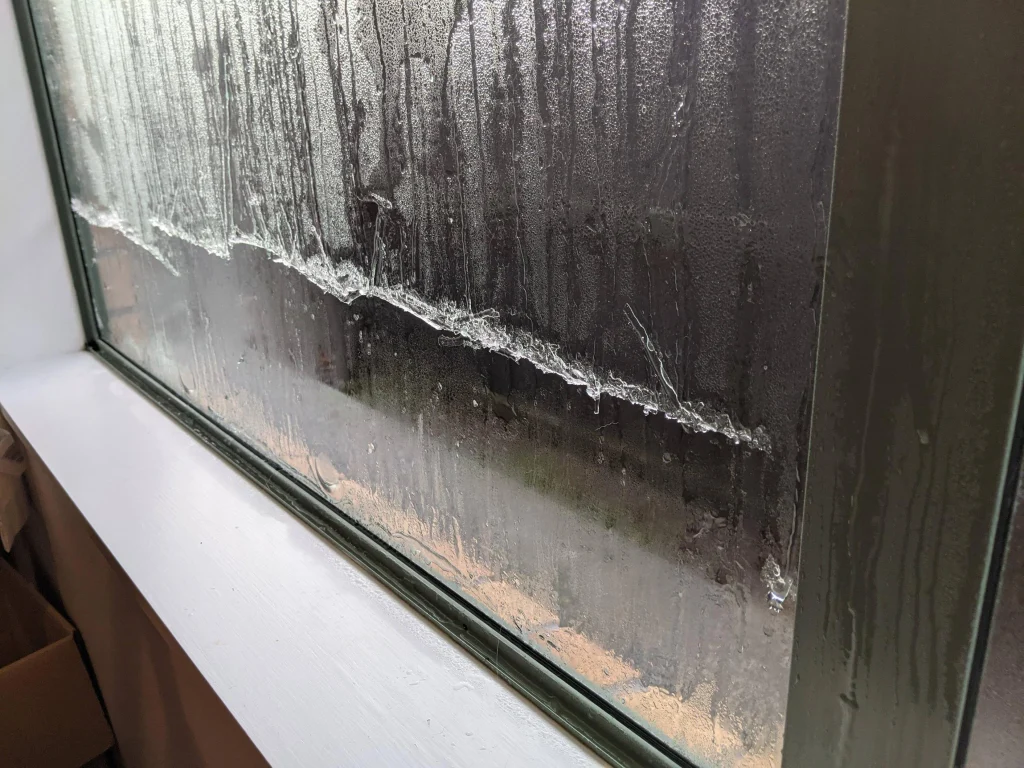
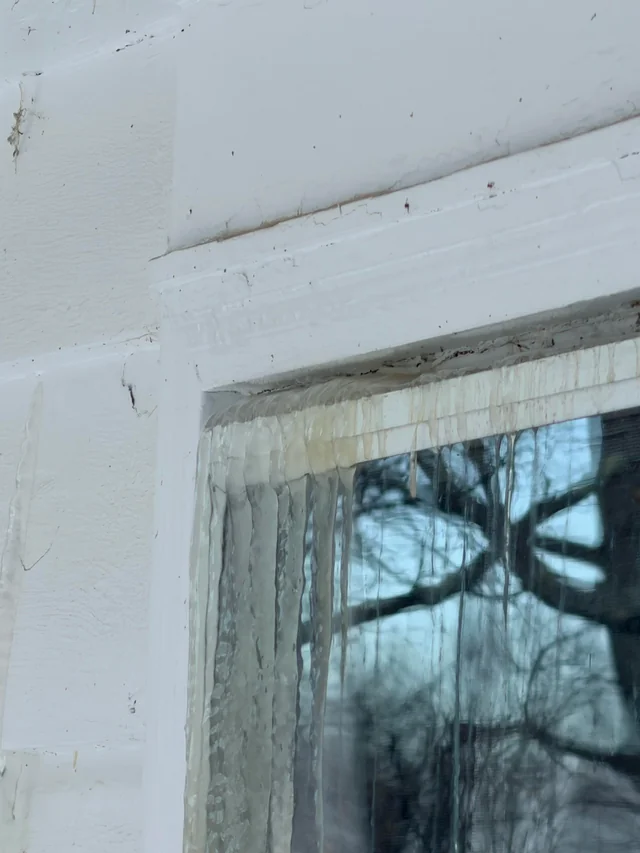
One careful comparison is worth more than a generic product claim. Condensation and frost are related but not interchangeable with a failed seal. Room-side frost is accessible and responds to humidity, airflow, and temperature. Moisture trapped inside a sealed insulating glass cavity persists in different weather and points toward glass-unit service.
Humidity readings answer only part of the question. Health Canada’s broad 30-to-50-percent guidance sits beside a practical cold-weather qualifier: reduce indoor moisture when condensation develops. The correct response therefore depends on temperature, air movement, ventilation, and the thermal performance of the complete window.
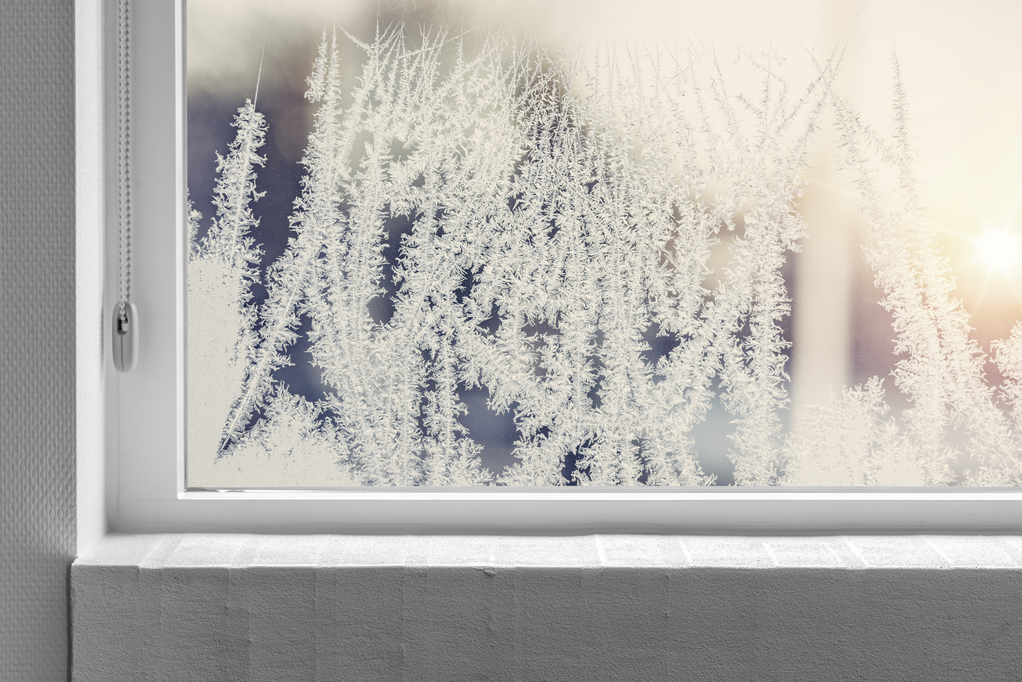
Evidence to collect:
- Frost stops at the edge of a raised blind.
- Clear glass near a heat register.
- Condensation worsens overnight with curtains closed.
- One deep sill traps colder air than neighbouring windows.
Within the diagnostic path for Why Window Coverings Create Cold Pockets and Frost, use location and timing to distinguish how to prevent frost on inside of house windows from between-pane moisture, uncontrolled air leakage, or a room-specific airflow problem.
Practical response
- Photograph the covering position when frost is present.
- Open the covering several centimetres for airflow.
- Keep baseboards and supply registers unobstructed.
- Compare overnight humidity with and without the change.
- Check child and pet safety before adjusting cords or hardware.
Illustrative scenario
Illustrative scenario: two identical bedroom windows share the same exposure, but only the window behind a floor-length blackout curtain frosts. The curtain touches the sill and blocks the baseboard below. That controlled comparison makes covering position the first variable to change.
What not to assume
Do not place a space heater against glass, fabric, or trim to force a quick result. Correct normal room airflow and moisture first, and follow manufacturer clearances for every heating appliance and covering.
When professional help makes sense
Get help when safe airflow changes do not improve the pattern, a window is measurably drafty, the frame is wet, or condensation continues inside a sealed glass unit. For a review centred on Why Window Coverings Create Cold Pockets and Frost, bring photos and measurements plus the reference steps for ice buildup on windows; the visit can then begin with evidence rather than a generic replacement assumption.
Frequently asked questions
Should blinds stay open all winter?
Not necessarily. Leave enough space for air movement during the coldest periods and monitor the result.
Can insulated curtains save energy and still cause frost?
Yes. They can reduce room heat reaching the glass, so moisture may condense behind them if indoor humidity is high.
Do deep sills matter?
They can. Deep sills, furniture, and coverings may create a stagnant cold pocket at the glass.
Suggested internal links
Winter Ventilation Without Heat Loss
Interior Air Quality and Windows
Authoritative sources
Natural Resources Canada – Condensation
Natural Resources Canada – Keeping the Heat In, Section 9
Health Canada – Guide to addressing moisture and mould indoors