
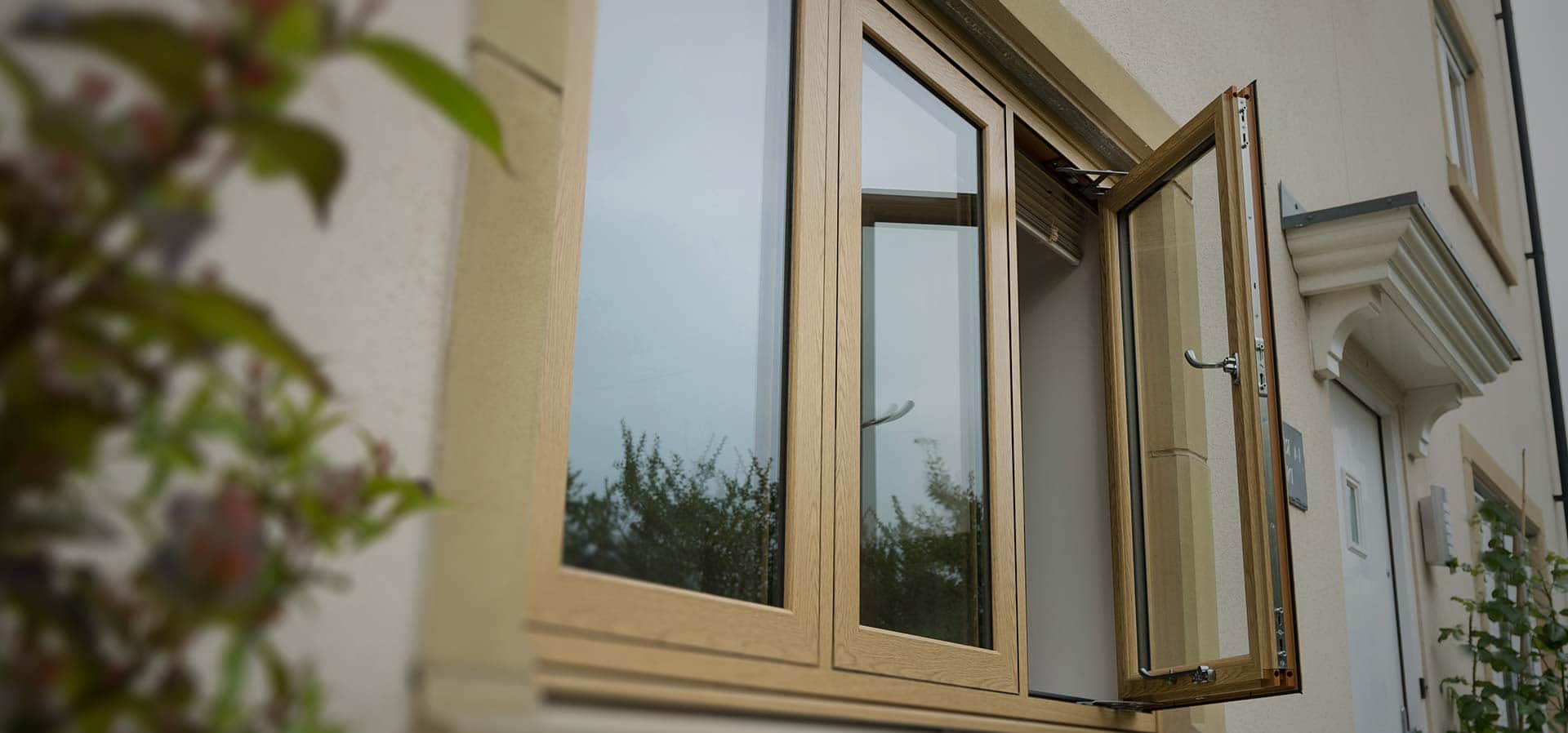

Modern homes are built tighter than ever. High-performance windows, continuous insulation, and airtight construction have greatly improved energy efficiency, but they have also introduced a new challenge: stale indoor air. Without a steady exchange of fresh outdoor air, humidity and pollutants accumulate, affecting both comfort and health. According to Natural Resources Canada, adequate mechanical ventilation is essential in airtight Canadian homes to maintain indoor air quality and prevent moisture-related damage.
The question for homeowners is simple but critical: how can you bring in fresh air during winter without losing all the heat you’ve paid for? The answer lies in controlled, energy-efficient ventilation strategies – systems like Heat Recovery Ventilators (HRVs), trickle vents, and micro-open window hardware.
Rethinking Fresh Air in an Airtight Home
Airtightness is essential for energy efficiency, but it also means air no longer “leaks” naturally as it once did in older buildings. Winter ventilation without heat loss focuses on managing this balance: introducing fresh air while retaining the warmth already inside.
Three main approaches are used in high-efficiency homes today:
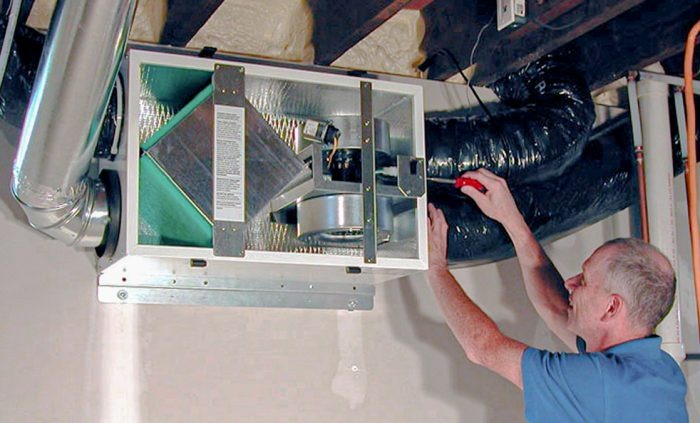
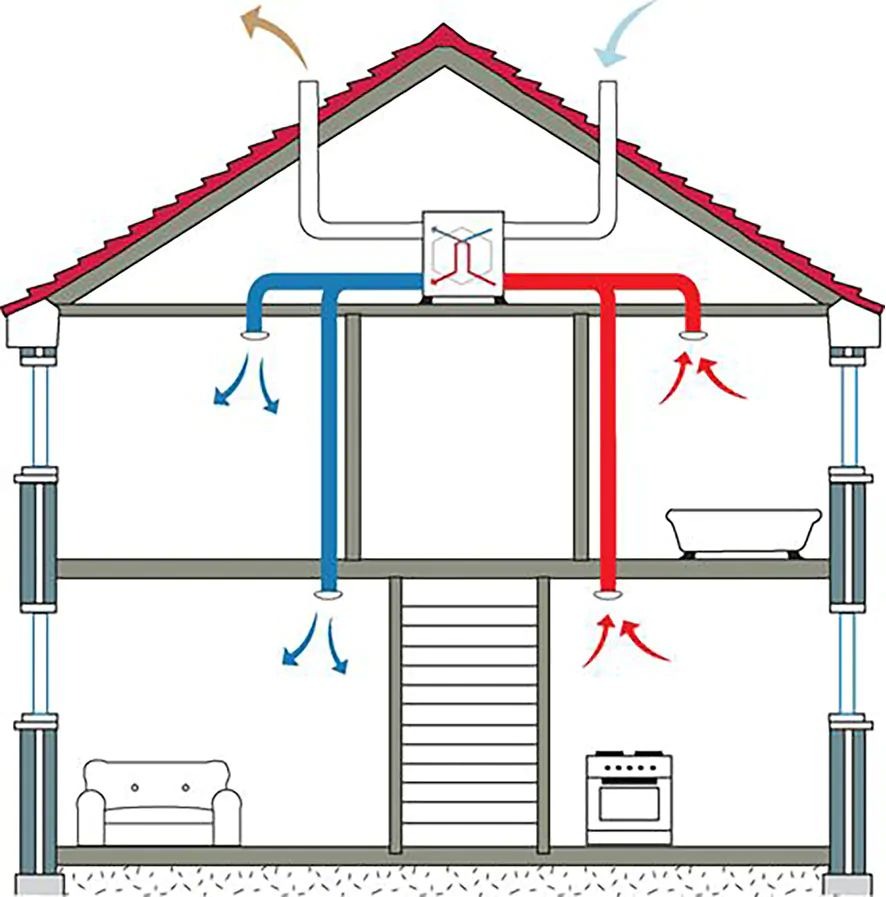
- Heat Recovery Ventilators (HRVs): An HRV is a whole-home mechanical system that uses two fans – one pulling stale indoor air out, the other bringing fresh outdoor air in. Inside, a heat exchanger core transfers warmth from the outgoing air to the incoming air without mixing the two streams. This recovers up to 80% of the heat that would otherwise be lost.
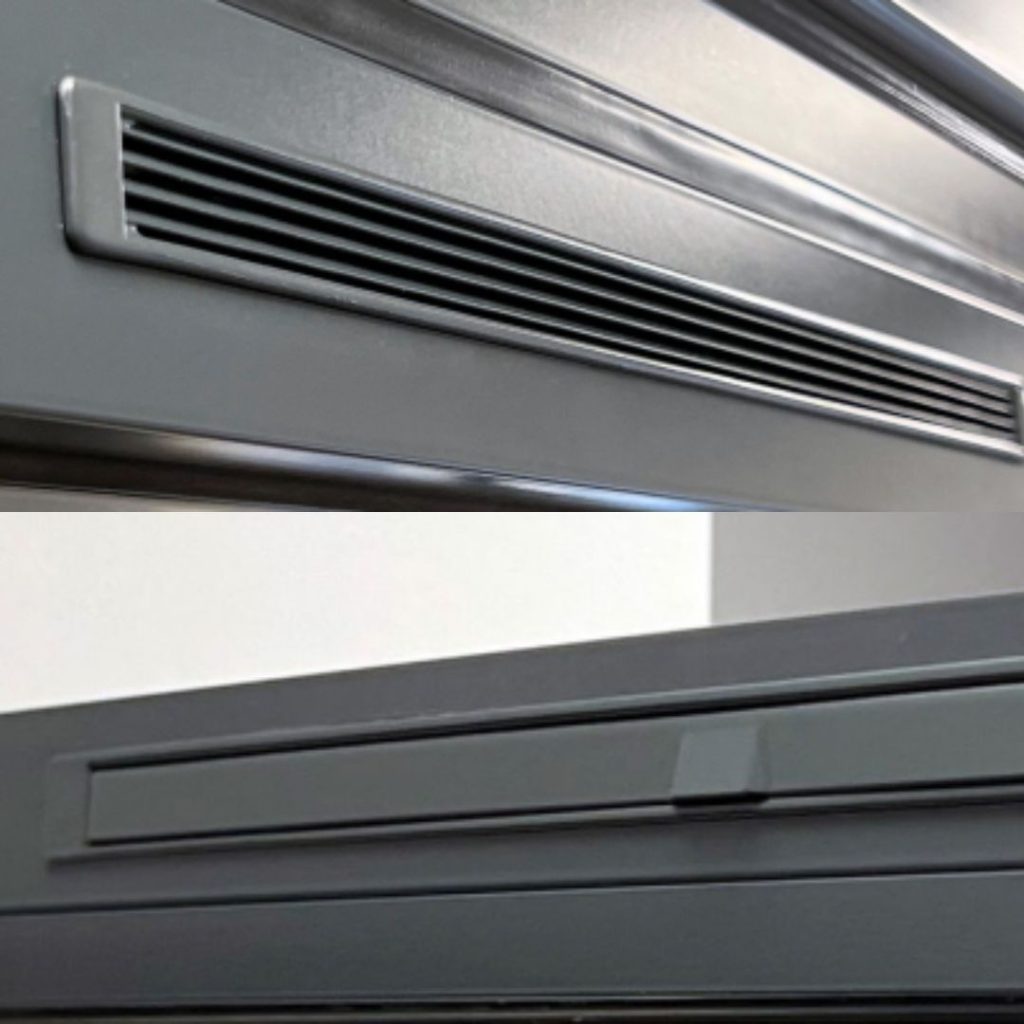
- Trickle Vents: These small openings, built into the top of a window frame, provide a steady but minimal flow of outdoor air. They can be opened or closed manually, allowing controlled ventilation without fully opening the window.
- Casement Micro-Open Hardware: Some modern casement windows include a “micro-open” setting, allowing the sash to stay slightly ajar – just a few millimeters – while remaining locked. This creates a narrow gap for air exchange without compromising security or creating noticeable drafts.
Why It Matters
Balanced ventilation is about more than comfort. It protects your health, your home’s structure, and your energy bills.
- Indoor air quality: Cooking, cleaning products, off-gassing from furniture, and everyday breathing all release pollutants and carbon dioxide. In sealed environments, these compounds build up quickly. Research by the National Research Council of Canada (NRC) shows that modern airtight construction significantly increases pollutant concentration unless balanced ventilation systems are in place.
- Moisture control: Humidity from showers, kitchens, and even plants can condense on cool surfaces such as windows and walls. Over time, this trapped moisture can lead to mold and damage to finishes or insulation.
- Energy performance: Opening a window in winter wastes the heat your HVAC system produces. Efficient ventilation systems deliver the same air exchange without the energy penalty.
Comparing Modern Winter Ventilation Options
| Parameter | HRV (Mechanical System) | Trickle Vents | Casement Micro-Open |
| Heat Recovery | Excellent (up to 80%) | None | None |
| Air Filtration | Yes (filters pollen and dust) | No | No |
| Airflow Control | Fully balanced and measured | Moderate (manual) | Minimal (manual) |
| Installation | Requires ducting and electrical work | Integrated in new window | Built into window hardware |
| Upfront Cost | High | Low to medium | Low |
An HRV provides comprehensive, filtered air exchange for the entire home, while trickle vents and micro-open options offer simple, passive solutions suitable for smaller projects or retrofits.
Choosing the Right Approach
Your home’s design, age, and location largely determine which system makes sense.
- For new builds or deep retrofits: An HRV is the preferred option. Modern building codes increasingly require mechanical ventilation for airtight homes, and HRVs are the most efficient way to meet those requirements.
- For window replacement projects: If you’re not ready to install a full mechanical system, consider ordering new windows with trickle vents or micro-open hardware. Both provide controlled ventilation at minimal additional cost.
- For urban or high-pollution environments: A mechanical HRV is the best choice. It keeps windows closed, filters pollutants, and manages humidity while maintaining quiet indoor conditions.
Common Pitfalls
- Over-sealing without ventilation: Replacing windows and adding insulation without planning for air exchange can cause long-term moisture and air-quality issues.
- Relying on exhaust fans alone: Kitchen and bathroom fans remove air but do not replace it, creating negative pressure that can pull cold air – or even combustion gases – back into the home.
- Neglecting maintenance: HRV filters need regular cleaning or replacement, typically once every season. Trickle vents should be vacuumed occasionally to remove dust buildup.
- Confusing drafts with ventilation: Uncontrolled leaks waste energy. Proper ventilation should always be intentional and balanced.
Passive vs. Mechanical Systems
The ongoing debate between passive and mechanical ventilation reflects two schools of thought.
Passive options like trickle vents appeal for their simplicity and reliability – no moving parts, no electricity, and no noise. However, their performance depends heavily on outdoor conditions such as wind pressure and temperature differences, making them inconsistent in extreme cold. A recent study published in the Buildings & Cities Journal found that passive ventilation methods often underperform in cold climates, reinforcing the need for balanced mechanical systems in airtight homes.
Mechanical systems like HRVs deliver predictable, year-round results. By using sensors and balanced airflow, they maintain consistent indoor air quality regardless of weather. For highly airtight homes, this precision is essential.
Most experts now recommend a combination: an HRV for steady background ventilation, complemented by window vents or micro-open hardware for occasional fresh-air bursts.
Standards and Performance Testing
Mechanical ventilation systems are governed by national standards that verify energy efficiency and airflow balance. In Canada, the National Building Code requires mechanical ventilation in new airtight homes, while the Canadian Standards Association (CSA) certifies HRV systems for heat recovery efficiency.
Manufacturers of both HRVs and window components also follow International Organization for Standardization (ISO) quality management systems to ensure long-term reliability and safety.
Frequently Asked Questions (FAQ)
1. What should I consider for winter ventilation without heat loss?
You must consider your home’s air-tightness, your budget, and your local climate. The goal is to get fresh air on purpose (controlled) rather than by accident (drafts).
2. How do I choose the best option?
For a new, airtight home, an HRV is the best and most efficient solution. For a simple window replacement project, adding trickle vents is a smart, low-cost way to improve air quality.
3. What are the advantages and disadvantages of these options?
- HRV: Adv: Highly efficient (recovers heat), filtered air, fully controlled. Disadv: High upfront cost and requires installation/maintenance.
- Trickle Vents: Adv: Low cost, simple, no electricity. Disadv: Not filtered, no heat recovery, less controllable.
Conclusion
Winter ventilation without heat loss is no longer a contradiction. With modern systems, homes can stay both energy-efficient and filled with fresh air.
A mechanical HRV remains the gold standard for new or highly sealed homes, offering filtered, balanced airflow year-round. For smaller upgrades or window replacements, integrated trickle vents or micro-open latches provide simple, effective alternatives.
The goal is the same across all solutions: fresh, comfortable indoor air that doesn’t come at the cost of wasted heat. Planning for controlled winter ventilation ensures your home stays healthy, efficient, and comfortable through every season.For more technical information on this technology, you can visit authoritative sources such as Wikipedia’s page on Heat Recovery Ventilation.