
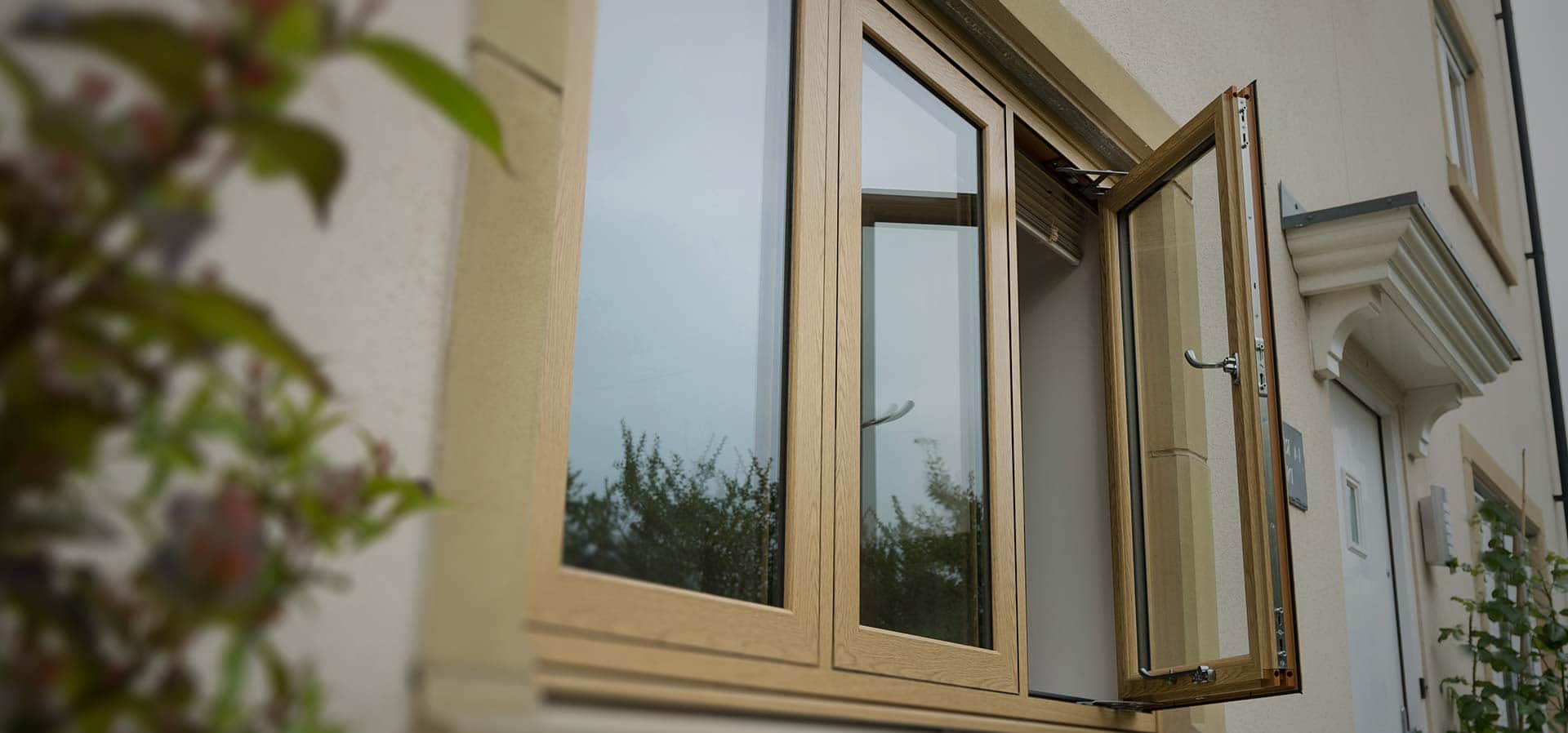
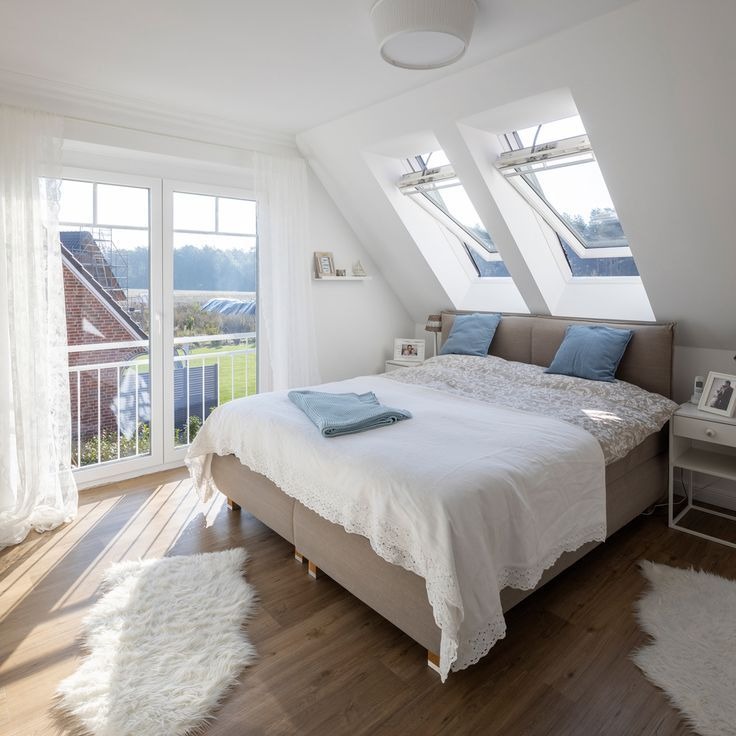
In small homes, space must do double duty. Every wall, corner, and window has to serve both form and function. That’s why window placement isn’t just an aesthetic choice – it’s a fundamental part of how a compact home feels and works. The right window can make a small space feel larger, brighter, and more connected to its surroundings. The wrong one can limit your furniture layout, compromise privacy, or create uncomfortable glare.
Thoughtful window placement for small homes is about more than framing the view. It’s about shaping light, preserving privacy, and maintaining flexibility in how you use your space.
Designing Light with Purpose
In a small footprint, windows are design tools. Their position determines not only how daylight enters a room, but how livable that room is. According to the U.S. Department of Energy’s daylighting guide, well-placed windows can significantly improve interior comfort and reduce the need for artificial lighting by maximizing controlled natural light.
Instead of defaulting to a centered window, small homes benefit from a layered approach:
- High clerestory windows: Placed near the ceiling, they admit soft daylight while keeping wall space free for furniture and decor.
- Vertical windows: Tall and narrow, these bring in light without sacrificing horizontal wall space.
- Corner windows: Drawing the eye outward, they make a room feel more expansive.
- Frosted or patterned glass: Ideal for bathrooms or close lot lines, letting in daylight while preserving privacy.
Used together, these options transform compact interiors into flexible, well-lit environments that still feel private.
Why Placement Matters
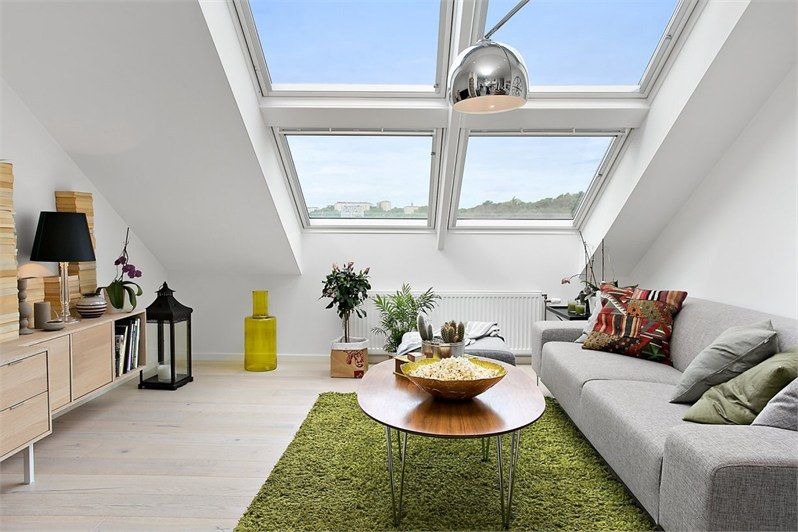
In smaller homes, design decisions have amplified consequences. A misplaced window can dictate your entire floor plan. Thoughtful placement, by contrast, enhances every aspect of daily living.
- Expands perceived space: Natural light visually enlarges small interiors, blurring the boundary between indoors and out. The Ohio Facilities Construction Commission notes that proper window head height and depth can help daylight reach deeper into rooms, improving brightness without glare.
- Protects privacy: Compact homes often sit close to neighbors. Elevated or angled windows maintain openness without giving up seclusion.
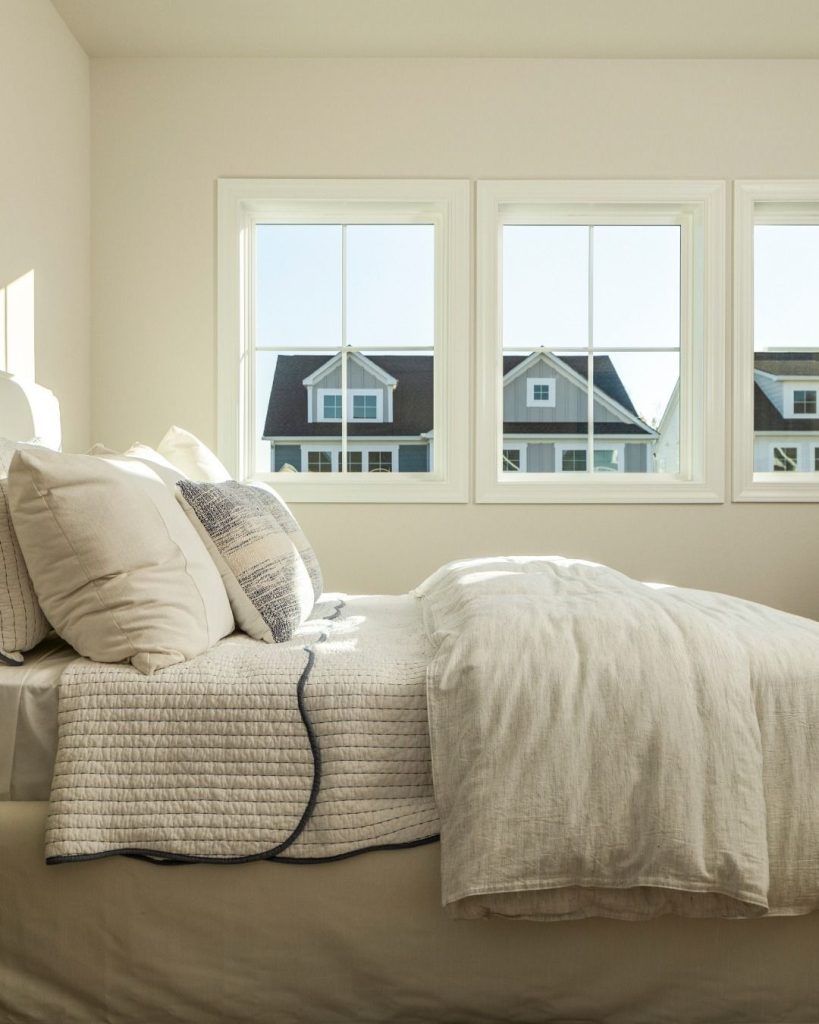
- Supports furniture layout: A wall interrupted by a low, wide window can’t support a bed, sofa, or tall shelving. Planning window height and width around furniture allows every wall to remain functional.
- Improves comfort: Operable windows positioned for cross-ventilation provide natural airflow, reducing reliance on mechanical systems.
Comparing Window Types for Small Homes
| Parameter | Vertical Windows (Casement/Double-Hung) | Horizontal Windows (Slider/Awning) | High Windows (Clerestory/Transom) |
| Wall Space Use | Low (leaves horizontal space) | High (uses main wall area) | Excellent (preserves wall space) |
| Privacy | Moderate (needs coverings) | Fair (often lower on wall) | Excellent (above sightlines) |
| Light Quality | Directional | Broad but shallow | Soft, diffused, even |
| Ventilation | Excellent (casement) | Moderate | Moderate (vented transoms) |
Each type offers a different balance of privacy, daylight, and usable wall area. Clerestory and vertical configurations tend to work best in tight floor plans where flexibility matters most.
Balancing Light, Privacy, and Layout
1. Plan the furniture first.
Before deciding where windows go, map where the key pieces will sit. This avoids the all-too-common mistake of placing a window at standard height, only to find it blocks your headboard or limits your storage options. A narrow, horizontal window placed five feet up the wall can preserve daylight and still allow furniture below.
2. Prioritize high-level light.
High clerestory or transom windows pull daylight deep into the room, making small spaces feel taller and brighter while keeping walls clear. They also solve privacy concerns by staying above sightlines.
3. Consider privacy strategically.
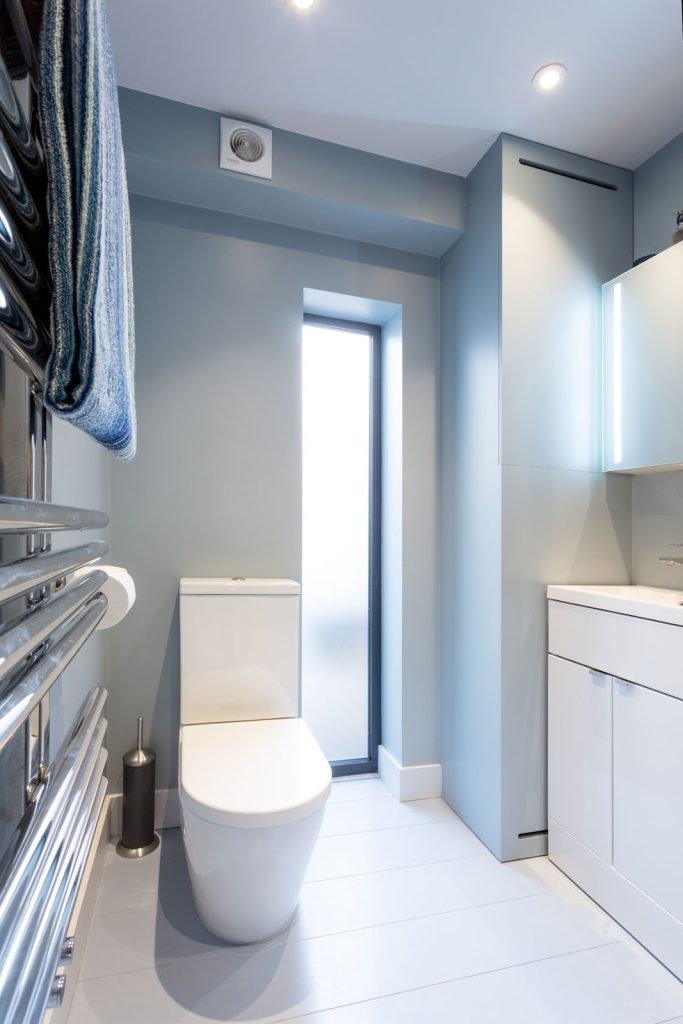
On walls facing neighbors, use smaller or higher windows, or choose frosted or textured glass. For example, a vertical slot window beside a shower can bring in light without compromising seclusion.
4. Follow egress and code rules.
Safety comes first. Any bedroom must have at least one operable egress window that meets local building standards for size and sill height. These requirements often dictate the placement of at least one low, openable unit.
Common Design Pitfalls
- Defaulting to center-of-wall windows: This traditional placement wastes wall area and limits flexibility.
- Ignoring upper light sources: Skipping clerestory windows is one of the most common missed opportunities in compact design.
- Installing too many small panes: Multiple tiny windows can make a wall look busy and fragmented. One large, well-placed window is often more effective.
- Placing windows too low: Low sills eliminate space for furniture and reduce privacy.
The Balance Between Openness and Comfort
Small home design tends to fall between two philosophies.
- The “Glass Box” approach uses large expanses of glazing to create openness and dissolve boundaries with the outdoors. While dramatic, it can feel exposed and reduce usable wall area.
- The “Cozy Retreat” approach favors smaller, carefully positioned windows that focus on light quality and privacy. This creates comfort, warmth, and visual calm.
The best designs often blend the two: large, open glazing on public-facing sides of the home and smaller, strategic windows on private sides. The result is both expansive and intimate, depending on the space.
Standards and Performance
Window placement is not only aesthetic but also regulated by building and safety codes. Bedrooms require egress windows for emergency escape, and local codes dictate minimum opening dimensions and sill heights. These standards are outlined in the National Building Code of Canada, which provides detailed safety and performance criteria for residential window design.
Performance standards are equally important. Certified products tested under the Canadian Standards Association (CSA) and International Organization for Standardization (ISO) ensure air-tightness, durability, and proper insulation – key factors in maintaining comfort and efficiency in compact spaces.
Frequently Asked Questions (FAQ)
1. What should I consider for window placement in small homes?
The three primary considerations:
1) Furniture layout (plan this first!)
2) Privacy (especially from neighbors)
3) Natural light (use high windows)
2. How do I choose the best windows for a small bedroom?
First, ensure at least one window meets fire egress codes. Second, try to place windows high on the wall (clerestory) or vertically in corners to leave the main walls free for your bed and dressers.
3. What are the advantages and disadvantages of large windows in small homes?
- Advantages: They make the space feel significantly larger and provide abundant natural light.
- Disadvantages: They eliminate valuable wall space, reduce privacy, and can be a source of major heat loss or gain if you do not use high-performance glass.
Conclusion
Window placement in a small home is both an art and a science. Done well, it balances openness with practicality, ensuring every wall and beam of light serves a purpose.
By planning furniture first, favoring high or vertical glazing, and mixing openness with privacy, you can make even the smallest rooms feel generous, comfortable, and bright year-round. The best window design doesn’t just illuminate your home – it defines how you live in it.
For more information on using window placement for light and energy, you can visit authoritative sources such as Wikipedia’s page on Passive Solar Building Design.