
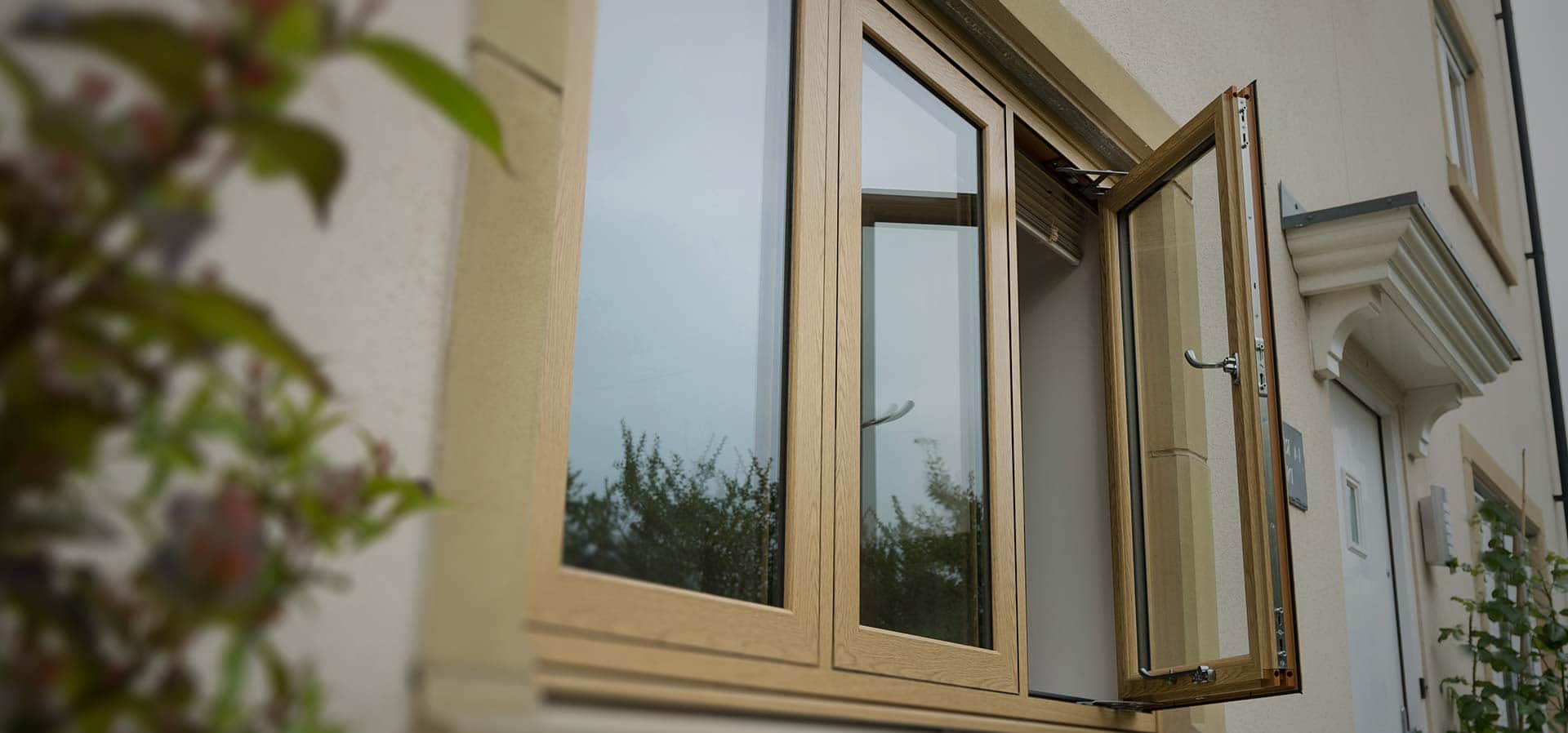

As modern homes become more airtight to conserve energy, a new challenge has emerged: how to maintain healthy air indoors. Energy-efficient windows and insulation keep conditioned air inside, but they also limit the natural exchange of indoor and outdoor air. Without proper ventilation, pollutants, humidity, and stale air can accumulate, compromising comfort and health. According to Statistics Canada, indoor air pollutants and humidity levels are now among the top environmental concerns in modern Canadian homes.
Balancing efficiency with indoor air quality is now one of the key considerations in residential design. The question is no longer whether to ventilate, but how – through natural airflow from windows, mechanical systems, or a combination of both. Health Canada emphasizes that balanced ventilation and clean air circulation are essential to preventing moisture buildup and maintaining good health indoors.
The Changing Role of Windows in Home Ventilation
Windows once played a primary role in ventilating homes. Opening opposite windows created cross-breezes that removed indoor pollutants and brought in fresh air. In older, draftier houses, small leaks around windows and walls provided a form of passive ventilation, albeit at the expense of energy efficiency.
Today’s high-performance homes are different. Modern windows are engineered to be airtight, eliminating uncontrolled drafts that waste heating and cooling energy. This tight construction boosts comfort and efficiency but also means fresh air no longer enters by default. As a result, windows now serve two functions in air quality management:
- Natural ventilation tool: Opening windows remains the simplest way to quickly refresh indoor air, especially during mild seasons.
- Controlled envelope component: In well-sealed homes, windows are part of a larger system designed to work with mechanical ventilation equipment that provides filtered, balanced air exchange.
Why Ventilation Choices Matter

Good ventilation supports three key aspects of a healthy, efficient home.
- Health and comfort: Indoor air can contain pollutants such as dust, cooking by-products, volatile organic compounds from furniture, and elevated carbon dioxide. Poor air quality can cause headaches, fatigue, or respiratory irritation. The World Health Organization notes that inadequate indoor ventilation increases risks of respiratory illnesses and discomfort, especially in airtight buildings.
- Moisture control: Trapped humidity from showers, cooking, and breathing can condense on cool surfaces such as window glass or exterior walls. Over time, this moisture can lead to mold growth and structural damage.
- Energy performance: Opening windows during heating or cooling seasons can undo the benefits of energy-efficient construction. Controlled ventilation keeps air fresh without losing large amounts of conditioned air.
A well-planned ventilation system balances these factors, maintaining both efficiency and health.
Comparing Natural and Mechanical Ventilation
| Parameter | Natural Ventilation (Windows) | Mechanical Ventilation (HRV/ERV) | Exhaust-Only Fans |
| Energy Cost | None, but high heat loss | Low, recovers up to 80% of heat | Low, but removes conditioned air |
| Air Quality | Good when outdoor air is clean | Excellent, filtered and balanced | Moderate, may pull unfiltered air through gaps |
| Noise & Pollen | Can introduce noise and allergens | Quiet and filtered | May draw in outdoor dust or fumes |
| Installation Cost | None | Higher upfront investment | Low to moderate |
HRV = Heat Recovery Ventilator; ERV = Energy Recovery Ventilator.
Mechanical systems like HRVs and ERVs work by exchanging stale indoor air for fresh outdoor air through a heat exchanger that retains most of the home’s warmth (or coolness). An ERV also balances humidity, making it particularly useful in humid climates.
Choosing the Right Strategy
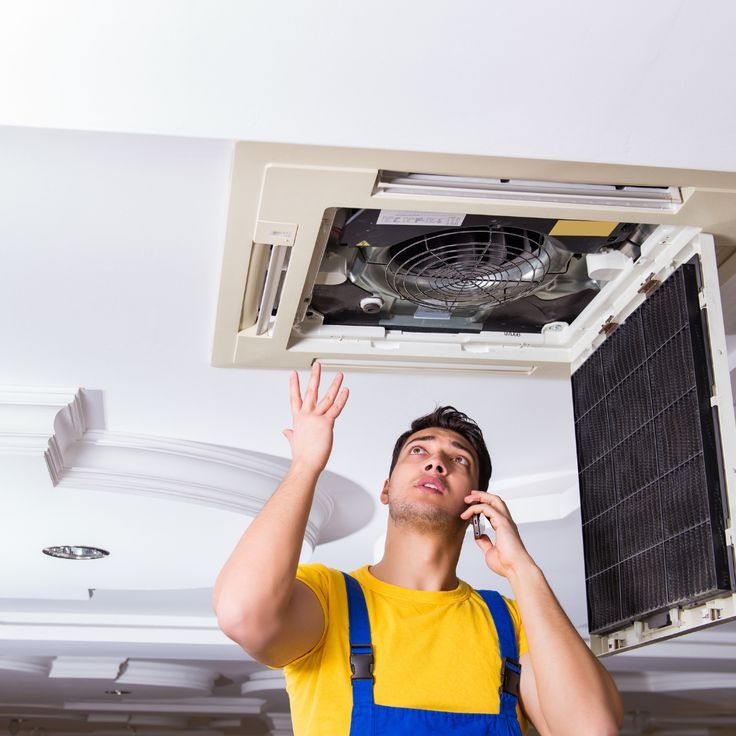
The ideal solution depends on the home’s age, construction, and location.
- For new, airtight homes: A mechanical ventilation system is essential. Building codes in many regions now require HRVs or ERVs to ensure consistent, filtered airflow in high-efficiency houses.
- For older, naturally leaky homes: These structures already allow uncontrolled air exchange. Upgrading insulation and windows improves efficiency, but once airtightness increases, adding mechanical ventilation becomes important to prevent indoor air stagnation.
- For allergy sufferers or urban environments: Mechanical systems offer a clear advantage. They filter out pollen, dust, and outdoor pollutants that would otherwise enter through open windows.
- For seasonal “flush” ventilation: Even homes with mechanical systems benefit from occasional window ventilation. Opening multiple windows for 15-20 minutes on a mild day quickly replaces indoor air and reconnects occupants with the outdoors.
Common Pitfalls to Avoid
- Relying solely on windows. In modern airtight homes, opening windows occasionally is not enough to maintain healthy air through winter or extreme heat.
- Over-sealing without planning. Upgrading insulation and windows without adding controlled ventilation can lead to moisture buildup and trapped pollutants.
- Neglecting spot ventilation. Use range hoods and bathroom fans during cooking and showers to remove moisture and odors at the source.
- Ignoring maintenance. HRVs and ERVs require periodic filter cleaning or replacement to sustain airflow and efficiency.
The “Build Tight, Ventilate Right” Principle
Modern building science emphasizes tight, energy-efficient envelopes combined with deliberate, controlled ventilation. Some homeowners prefer the simplicity of natural ventilation, but this approach depends heavily on outdoor conditions and may not suit all climates.
Mechanical ventilation ensures consistent air quality year-round. The U.S. Department of Energy highlights that systems such as HRVs and ERVs help maintain energy efficiency while continuously exchanging indoor and outdoor air. The most balanced solution is hybrid: use an HRV or ERV for constant, low-energy air exchange, and open windows strategically for natural airflow when weather and outdoor air quality allow.
Standards and Building Requirements
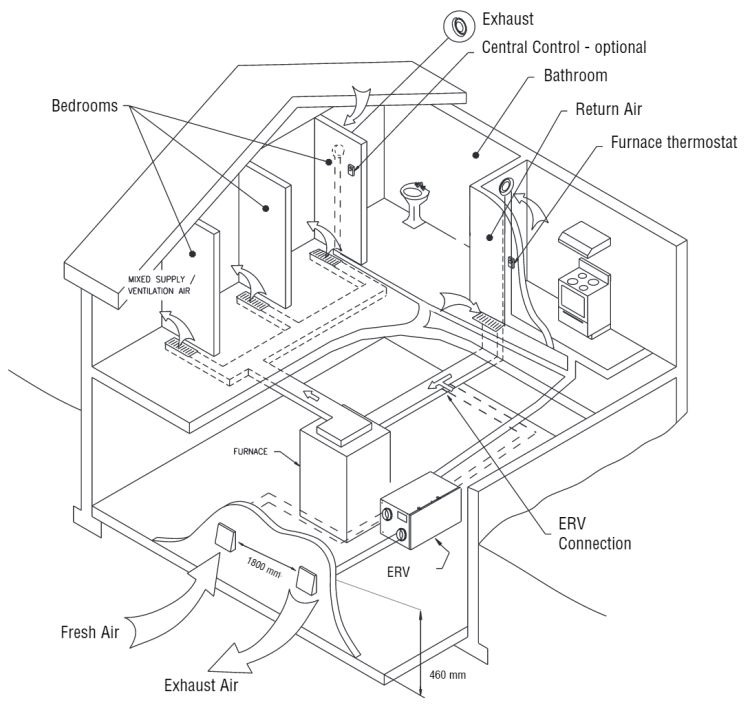
In Canada and many other regions, mechanical ventilation is now required in new residential construction. Systems and windows must meet strict performance standards set by organizations such as the Canadian Standards Association (CSA) and the International Organization for Standardization (ISO). These standards verify air-tightness, airflow consistency, and long-term durability to ensure the system performs as designed.
Frequently Asked Questions (FAQ)
1. What should I consider for interior air quality & windows?
You must consider your home’s age. If it is new and airtight, you need a mechanical system. If it is old and drafty, you can rely more on windows. Also, consider your local climate and outdoor air quality (pollen, smog).
2. How do I choose the best system?
For most new builds or major renovations, a balanced HRV or ERV system is the best, most energy-efficient choice. For an older home, start by adding high-quality, quiet exhaust fans in bathrooms and the kitchen, and use windows in mild weather.
3. What are the advantages and disadvantages of each?
- Natural (Windows): Adv: Free, provides a connection to the outdoors. Disadv: Highly inefficient (loses heat), unreliable (depends on weather), and unfiltered (brings in allergens/noise).
- Mechanical (HRV): Adv: Highly efficient (recovers heat), provides a constant, filtered supply of fresh air. Disadv: High upfront cost and requires minor maintenance.
Conclusion
Windows remain an important part of a home’s ventilation strategy, but their role has evolved. In an airtight, energy-efficient house, windows and mechanical systems work together rather than compete.
Natural ventilation connects us with the outdoors and offers quick refreshment. Mechanical systems provide the steady, filtered airflow needed for comfort, health, and efficiency. The healthiest homes combine both approaches, building tight and ventilating right for truly balanced indoor air quality.For more information on the science and health impacts of this topic, you can visit authoritative sources such as Wikipedia’s page on Indoor Air Quality.