
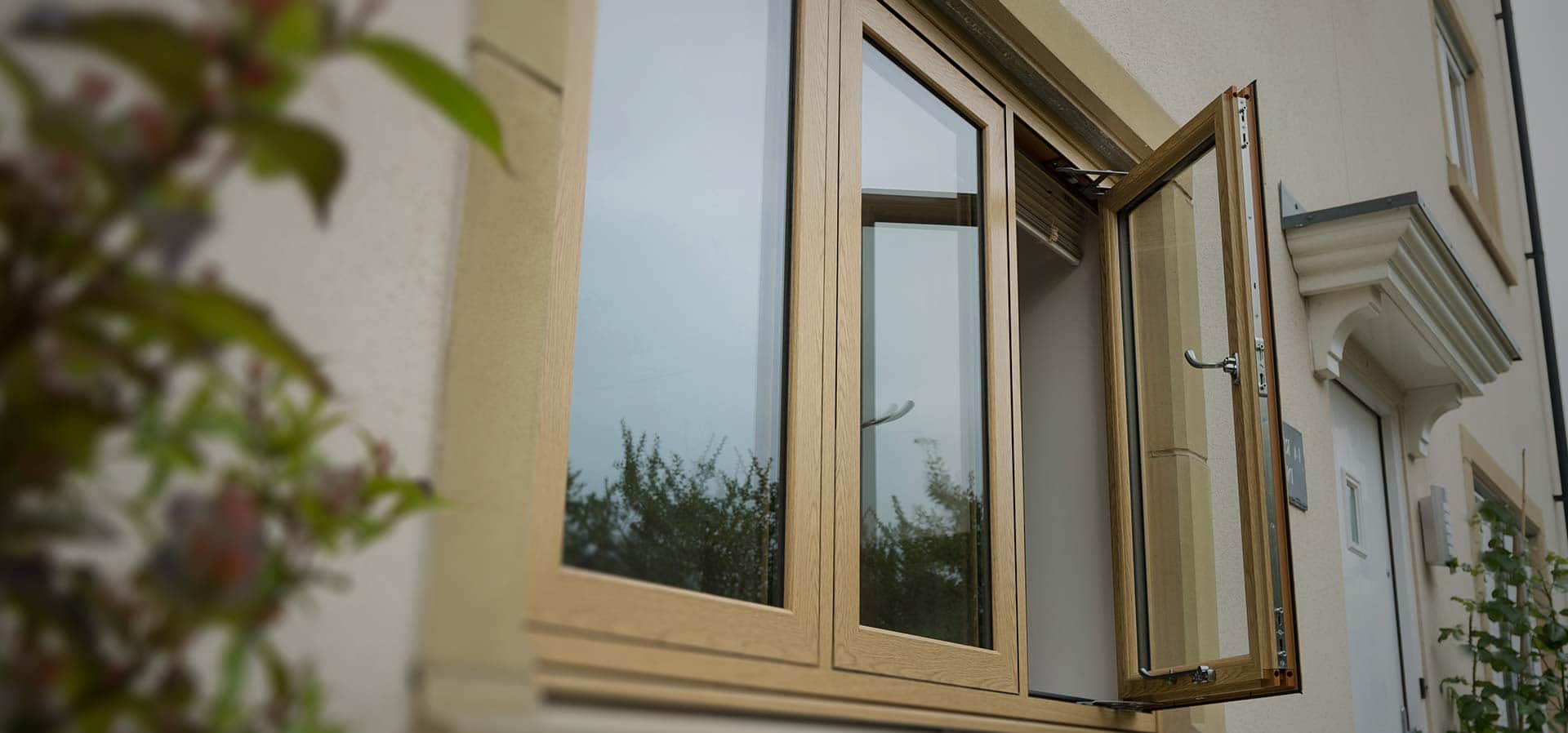
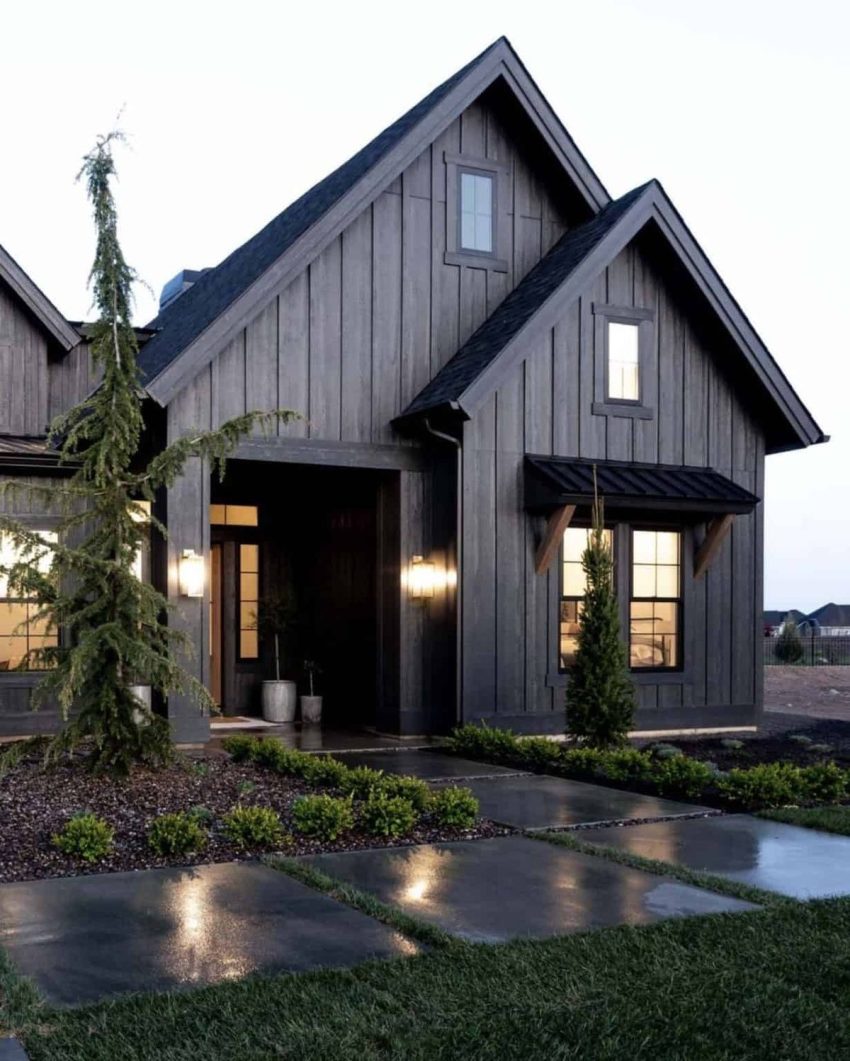
Across Canada and beyond, dark exterior palettes are redefining modern architecture. Deep shades of black, bronze, and charcoal create bold, sculptural facades that stand out against natural landscapes. Yet, while these finishes look sleek from the street, they can feel cold or severe inside.
That’s why many homeowners and architects are pairing dark exteriors with warm wood interiors. This combination balances modern minimalism with natural warmth, offering a look that feels both contemporary and enduring. It’s a design approach built not on trends, but on timeless contrast.
The Dual-Finish Concept
Windows are where this exterior-interior dialogue becomes most visible. A “dual-finish” or “two-tone” window uses different materials and colors on each side of the frame:
- Dark exterior: The outward-facing side is finished in a durable, weather-resistant color such as black, bronze, or charcoal. ENERGY STAR notes that certified dark-finish frames can help manage solar heat gain while maintaining modern aesthetics.
- Warm wood interior: Inside, natural wood species like oak, fir, or walnut bring texture and comfort. The grain and tone of the wood help tie the windows to the home’s flooring, furniture, and cabinetry.
This configuration allows a homeowner to enjoy a bold, architectural statement on the outside while maintaining a natural, inviting atmosphere inside.
Why This Combination Works
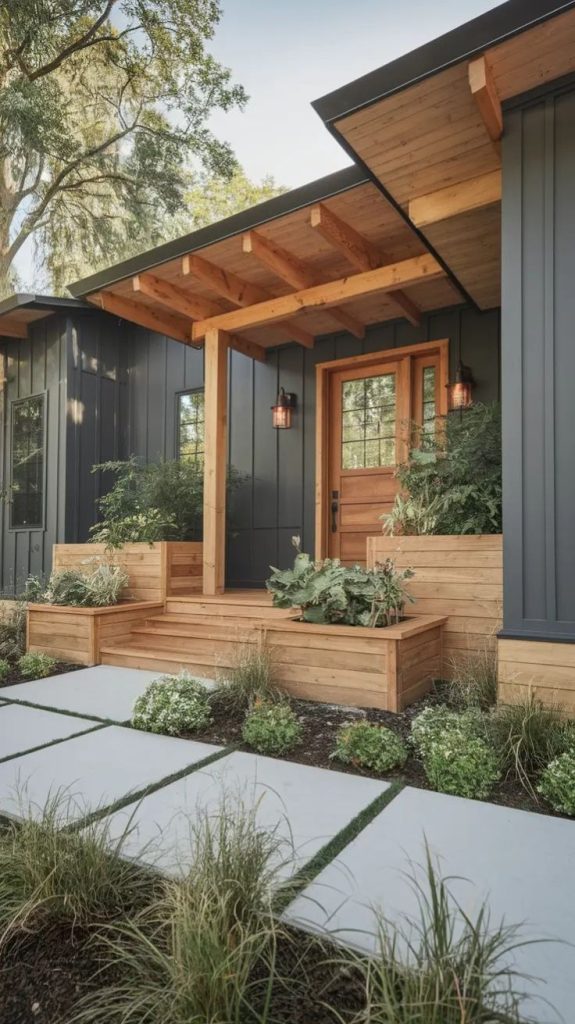
The appeal of dark exteriors with warm wood interiors goes beyond color. It’s about balance and longevity.
- Visual warmth: Dark exterior frames can feel sleek but also austere. A wood interior softens that edge, adding depth and human scale to the space.
- Cohesion between spaces: Dual-finish windows connect indoor and outdoor design. They let the exterior read as modern while allowing the interior to align with natural textures and finishes.
- Architectural flexibility: This pairing fits multiple styles – from urban contemporary homes to mountain modern cabins or renovated Craftsman houses.
- Timelessness: Dark neutrals and natural woods have remained design staples for decades. Unlike highly saturated or experimental colors, these finishes age gracefully and pair easily with future updates.
Pairings That Stand the Test of Time
| Parameter | Black Exterior + Light Oak | Bronze Exterior + Warm Fir | Charcoal Exterior + Walnut |
| Exterior Character | Modern, high-contrast | Earthy, organic | Refined, industrial |
| Interior Atmosphere | Airy, Scandinavian | Rustic, traditional | Mid-century, sophisticated |
| Best For | Modern Farmhouse, Contemporary | Craftsman, Tudor, Mountain | Urban or Industrial Modern |
These combinations demonstrate how subtle changes in tone can shift a home’s entire personality. A black-and-oak pairing feels crisp and Scandinavian, while bronze and fir lend warmth to a traditional or heritage-style home. Charcoal with walnut, meanwhile, delivers a rich, tailored look suited to modern interiors.
Choosing Finishes That Age Gracefully
Getting this combination right depends on attention to tone, texture, and quality.
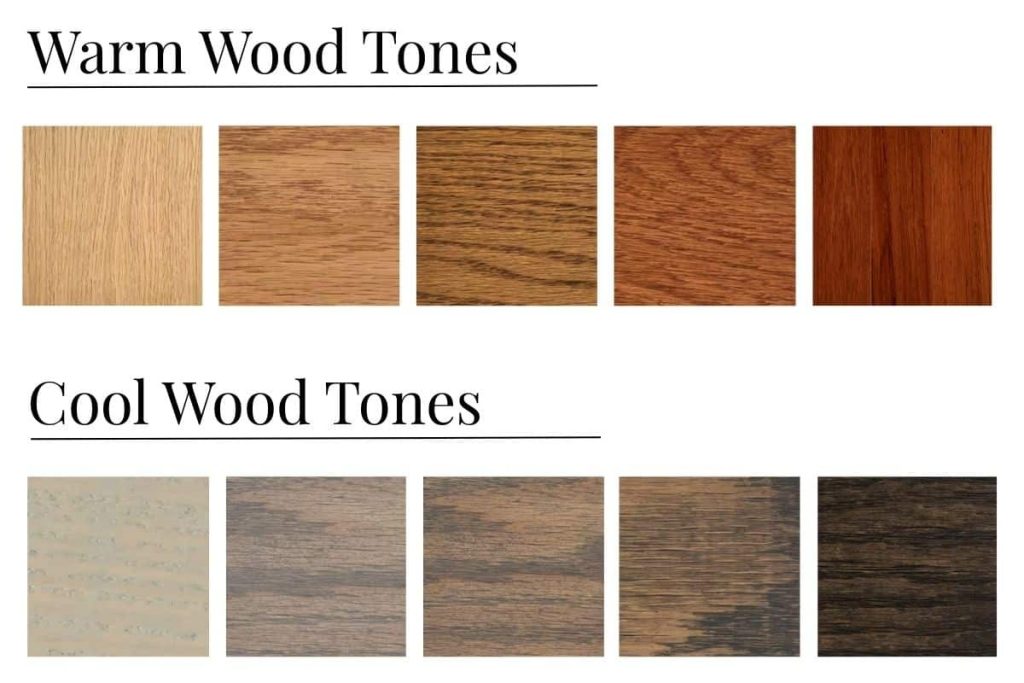
- Match undertones carefully: Warm exterior materials such as red brick or cedar siding often look better with bronze or espresso windows. Cooler materials like concrete or grey stone complement black or charcoal. Similarly, coordinate the wood interior with flooring and cabinetry for visual harmony.
- Reflect your architectural style: Modern Farmhouses often use black exteriors with pale oak or pine interiors for contrast. Craftsman and mountain homes tend to favor bronze or brown exteriors with rich fir interiors.
- Choose genuine materials: A true wood-clad window – wood on the inside, fiberglass or aluminum outside – will last far longer than a vinyl frame with printed “wood-look” grain. Real wood gains character over time; imitation finishes tend to fade or peel.
- Consider natural light: Light woods like oak reflect sunlight and brighten interiors. Darker species like walnut absorb light, creating a more intimate atmosphere. Matching tone to room orientation helps balance the mood.
Mistakes That Undermine the Look
- Mixing clashing wood tones. Warm cherry against cool-toned grey flooring creates visual tension. Keep undertones consistent across materials.
- Overlooking hardware finishes. The color of locks and handles matters. A matte black or brushed nickel complements both dark exteriors and warm wood interiors.
- Choosing faux finishes. Low-quality laminates rarely age well and can devalue an otherwise premium installation.
- Ignoring UV exposure. Sunlight can fade or yellow wood finishes. Select windows with Low-E coatings that block UV rays and protect interior surfaces. According to Natural Resources Canada, certified high-performance windows significantly improve durability and long-term energy efficiency in Canadian homes.
The Question of Maintenance
Many homeowners wonder whether wood interiors require extra upkeep. With today’s wood-clad windows, the concern is largely unfounded. The exterior – made from fiberglass or aluminum – takes the brunt of the weather, while the interior wood remains protected.
As long as humidity levels in the home are controlled and the windows are properly sealed, maintaining wood interiors is no different than caring for hardwood floors. Occasional cleaning and refinishing will keep them beautiful for decades.
Standards and Quality Assurance
Premium dual-finish windows undergo rigorous performance testing. Exterior coatings are rated for UV stability and weather resistance under standards set by the Canadian Standards Association (CSA), while interior finishes are manufactured under quality protocols established by the International Organization for Standardization (ISO).
These certifications ensure that both the exterior color and interior wood grain maintain their appearance over time, even in demanding climates.
Frequently Asked Questions (FAQ)
1. What should I consider when pairing dark exteriors with warm wood interiors?
The two most important factors are:
1) Harmonizing the undertones (cool/warm) of the exterior, interior, and your home’s other finishes.
2) Investing in a high-quality, “clad” window with a real wood interior, not a faux-wood laminate.
2. How do I choose the best pairing that ages well?
Stick to classic combinations. A black or bronze exterior paired with a natural oak, fir, or walnut interior is a timeless look. Avoid trendy wood stains (like grey-washes) which may look dated in 10 years.
3. What are the advantages and disadvantages?
- Advantages: Gives you a bold, modern exterior curb appeal while maintaining a warm, natural, and inviting interior. It is the best of both worlds.
- Disadvantages: This is a premium product, so it has a higher cost than a standard, single-finish vinyl or fiberglass window.
Conclusion
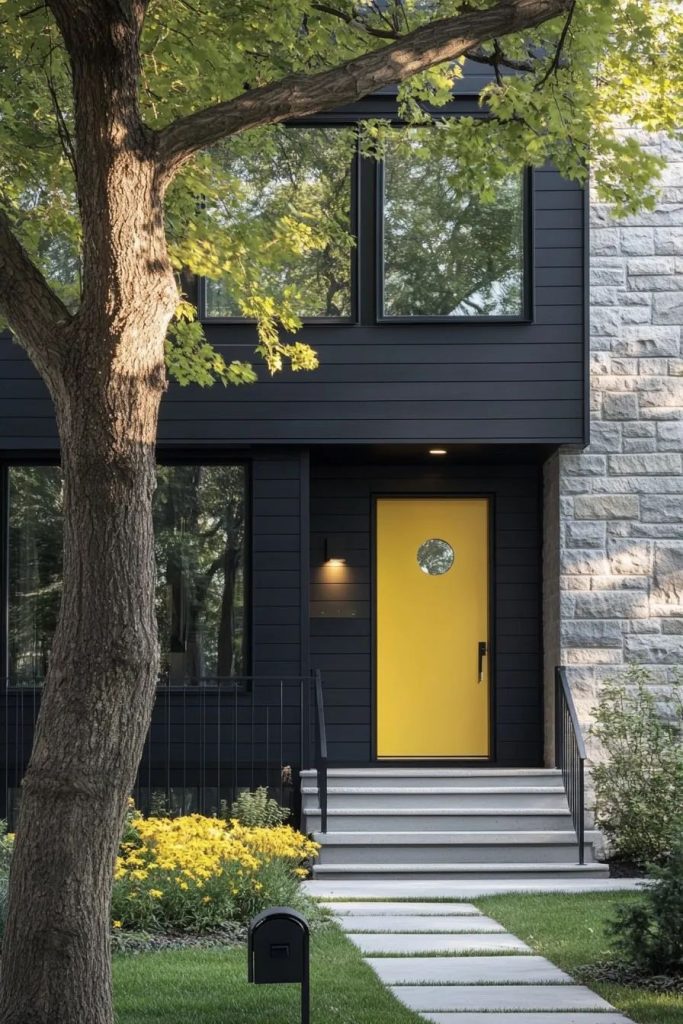
The pairing of dark exterior palettes with warm wood interiors brings together the best of contemporary architecture and natural design. It creates contrast without conflict – the strength of modern lines outside, and the comfort of natural textures inside.
When chosen with care and built from quality materials, this dual-finish approach doesn’t just follow a trend. It defines a timeless balance that will continue to look right for decades, adapting gracefully as both your home and style evolve.For more information on the principles of combining colors and materials in your home, you can visit authoritative sources such as Wikipedia’s page on Interior Design.